
What a Bournemouth Business Owner Discovered After Two Years of Impressive SEO Reports That Delivered Nothing
I run a marine equipment supplier in Poole. We’ve been trading for fifteen years, and two years ago I made what I thought was a sensible decision: hire an SEO agency to bring us more customers online.
The agency wasn’t cheap. £850 a month. They had a smart office near Bournemouth Square, case studies on their website, and a salesperson who knew exactly what to say about Google algorithms and our competitors outranking us.
What followed was twenty-four months of detailed monthly reports, regular ranking updates, and absolutely no meaningful change to our bottom line.
Here’s what I learned, and what every Bournemouth business owner should know before signing an SEO contract.
The Reports Looked Brilliant
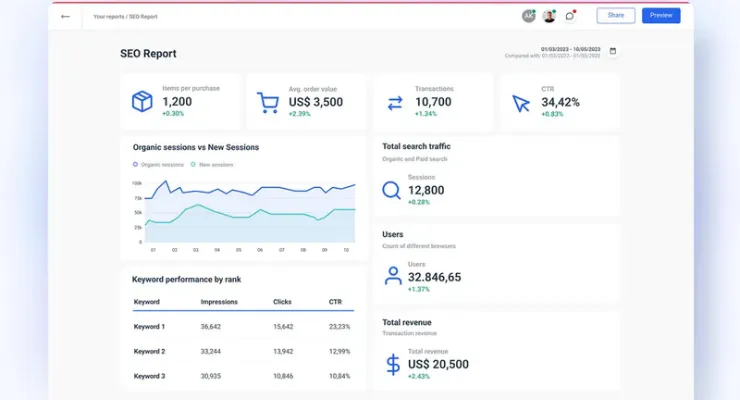
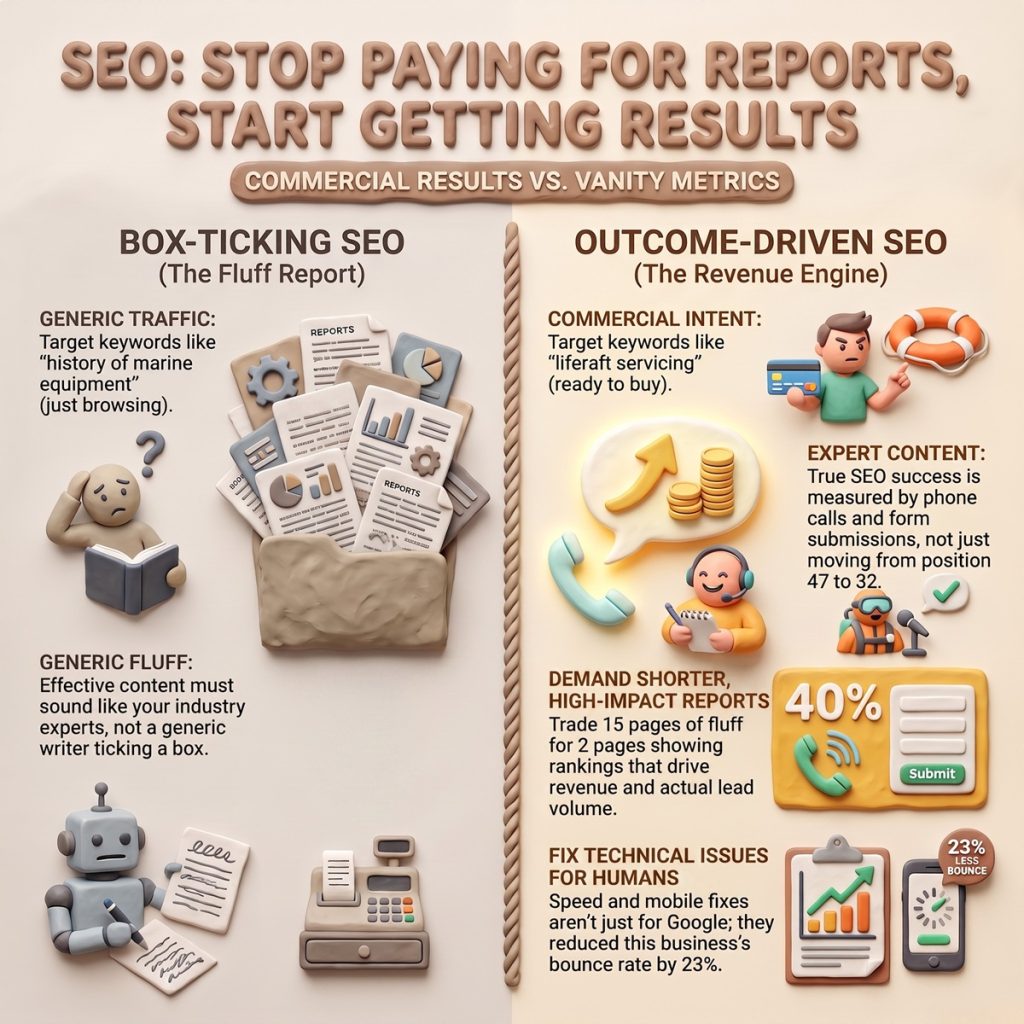
Every month, without fail, a PDF landed in my inbox. Twelve to fifteen pages. Graphs showing our rankings moving from position 47 to position 32 for keywords I’d never heard anyone actually search for. Traffic charts with modest upward trends. A list of blog posts they’d published on our website about topics tangentially related to what we actually sell.
The reports felt professional. They used our brand colours. There were executive summaries.
But when I looked at our enquiry form submissions and phone calls,the actual ways customers reach us, nothing had changed. We were getting the same number of leads we’d been getting before we hired them. Sometimes fewer.
When I raised this in our quarterly review, I was told that SEO “takes time” and that we were “building authority.” I was shown more graphs.
I gave them another six months.
What the Audit Actually Found
Eventually, I asked a colleague in our industry network who he used. He put me in touch with someone who did a proper technical audit for £400. No sales pitch, just a line-by-line review of what had actually been done.
The findings:
The blog content they’d been publishing was written by someone who clearly didn’t understand our industry. One article about “marine safety equipment” mentioned life jackets designed for a completely different use case than what commercial vessel operators actually need. It was generic, unhelpful, and written purely to tick a box.
The keywords they were targeting had almost no commercial intent. They’d optimised pages for phrases like “history of marine equipment” rather than “commercial liferaft servicing Dorset”, the kind of thing someone types when they’re ready to call.
The technical work was minimal. Our site still had redirect chains, missing schema markup, and page speed issues that had been flagged in the very first audit they’d done, and then apparently ignored for two years.
The backlinks they’d built were mostly directory listings and low-quality blog comments. Nothing from trade publications, industry bodies, or the kind of authoritative sources that Google actually values in our sector.
They’d been busy. But they hadn’t been effective.
What Changed When We Switched
The new agency asked different questions in the first meeting. Not “what keywords do you want to rank for?” but “what does a qualified lead look like, and what do they search for when they need you urgently?”
Within three months, we saw changes that actually mattered:
- Our page for “liferaft servicing Southampton to Weymouth” started ranking in the top three. That’s a service we offer, to customers in our geographic range, with genuine commercial intent.
- They rewrote our service pages to match the language our customers actually use, not industry jargon, but the plain terms someone types into Google when their certification is about to expire.
- They fixed the technical issues that were slowing our site down on mobile. Our bounce rate dropped by 23%.
- They secured a mention in a Maritime and Coastguard Agency industry roundup, which brought us more qualified traffic in one week than six months of directory links.
Most importantly: our enquiry form submissions went up by 40% over six months, and we started getting calls from customers in Christchurch and Lymington, areas we’d never reached before.
The monthly reports are now two pages. One page shows rankings for the ten search terms that actually bring us customers. The other shows enquiries, phone calls, and which pages they came from.
I don’t miss the fifteen-page reports at all.
What I Now Look for in Any Agency Relationship
If I were hiring an SEO agency in Bournemouth today, or anywhere else, I’d ask completely different questions than I did three years ago.
Can you show me the search terms you’ll target, and can you explain why each one will bring us customers? If they can’t connect a keyword to a purchase decision, I’m not interested in ranking for it.
What does success look like in month six, and how will we measure it? If the answer is “improved rankings,” that’s not enough. I want to know how we’ll track whether those rankings turn into enquiries.
What’s your process for understanding our industry? Generic content is worse than no content. I need to know they’ll invest time in understanding what our customers actually need and how they talk about it.
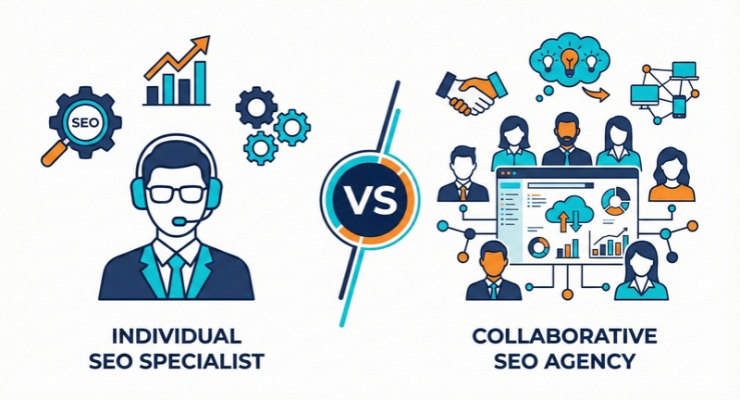
Who’s actually doing the work? I want to know if it’s someone in their Bournemouth office or a freelancer they’ve never met. I want to know if the person writing our content has access to us for questions.
What happens if it’s not working after three months? I want to hear that they’ll change course, not that they’ll tell me to be patient for another six months.
The Cost of Wasted Time
The £850 a month added up to £20,400 over two years. That’s the obvious cost.
The hidden cost was harder to quantify: the opportunities we missed whilst our competitors were showing up for searches we should have owned. The customers who found someone else because our website didn’t answer their questions or load quickly enough on their phone.
I don’t think the first agency set out to deceive us. I think they had a process, create content, build some links, report on rankings, and they applied that process to every client regardless of whether it was actually working.
They were optimising for their own efficiency, not our results.
What Bournemouth Businesses Should Actually Expect
If you’re a business owner in Bournemouth, Poole, Christchurch, or anywhere along the South Coast considering an SEO agency, you should expect them to care about the same thing you care about: more customers.
That means:
- Local focus that actually understands your geography. If you serve customers within a 30-mile radius, your SEO should reflect that. National rankings for generic terms won’t help you.
- Content that demonstrates expertise in your sector. Whether you’re in marine, hospitality, professional services, or retail, the content on your site should sound like it was written by someone who understands your customers’ problems.
- Technical competence without the jargon. You don’t need to understand every detail of schema markup or Core Web Vitals, but you should see the results: faster pages, better mobile experience, fewer errors.
- Transparency about what’s working and what isn’t. If something’s not delivering results after a reasonable period, a good agency will tell you and change approach.
The best agencies I’ve encountered since don’t promise page one rankings in three months. They promise a methodical process, clear reporting on what matters, and the honesty to tell you when something needs to change.
The Questions I Should Have Asked Sooner
Looking back, there were warning signs I ignored:
When they kept talking about “domain authority” but couldn’t tell me which of our competitors was outranking us or why, I should have pushed harder.
When the blog content they published didn’t sound like anything we’d say to a customer, I should have questioned the process.
When month six looked identical to month three in terms of actual business results, I should have asked what would change in month seven.
I didn’t ask those questions because I didn’t know what good SEO looked like. I assumed the detailed reports meant they were doing detailed work.
Now I know: the length of the report has no correlation with the quality of the work.
What I’d Tell Another Bournemouth Business Owner
If a colleague called me today asking for advice on hiring an SEO agency, I’d tell them this:
Start with a clear picture of what success looks like for your business. Not “better Google rankings,” but “ten qualified enquiries a month from customers within 20 miles who are ready to buy.”
Make sure the agency can explain how their work connects to that outcome. If they can’t, or if they deflect to technical details, walk away.
Ask to speak to a client in a similar industry who’s been with them for at least a year. Not a testimonial on their website, an actual conversation.
Insist on reports that show business metrics, not just SEO metrics. You need to see the line between their work and your results.
And if you’re not seeing meaningful progress after three to four months, don’t wait another six months hoping it’ll improve. Good agencies show early signs of understanding your business and moving things in the right direction, even if the full results take time.
What Actually Works in Bournemouth SEO
I’m not an SEO expert. But I’ve now seen the difference between an agency that optimises for their reporting process and one that optimises for business outcomes.
What works:
Targeting search terms that match commercial intent in your service area. For us, that meant phrases like “SOLAS liferaft servicing Bournemouth” rather than “types of marine safety equipment.”
Creating content that answers the specific questions your customers ask. We now have pages that address certification requirements, service turnaround times, and coverage areas, because those are the questions we get on the phone.
Technical SEO that improves user experience, not just search engine signals. Our site is faster, clearer, and easier to navigate on a phone. That helps with Google, but more importantly, it helps with customers.
Backlinks from sources that your customers and industry actually respect. One link from a relevant trade body is worth more than fifty directory listings.
Regular review of what’s driving enquiries and what isn’t. If a page is ranking well but not converting, that’s valuable information. A good agency acts on it.
None of this is revolutionary. It’s basic business sense applied to SEO.
But it’s remarkable how rare it is.
Frequently Asked Questions
Q: How long should you give an SEO agency before expecting results?
A: You should see early signs of progress within three months, improved technical health, better-targeted content, initial ranking movement for realistic keywords. Meaningful business impact typically builds over four to six months. If you’re seeing nothing after three months, or if the agency can’t explain what’s changed and what will change next, that’s a red flag.
Q: What’s the difference between SEO metrics and business metrics?
A: SEO metrics include rankings, organic traffic, domain authority, and backlink counts. Business metrics include enquiry form submissions, phone calls, online sales, and qualified leads. Good SEO improves both, but only business metrics actually matter to your bottom line. An agency focused solely on SEO metrics without connecting them to business outcomes is optimising for the wrong goal.
Q: Should a Bournemouth business hire a local SEO agency or does location not matter?
A: Location matters less than understanding your market and customers, but a local agency often has better insight into regional search behaviour, competitor landscape, and local link opportunities. More importantly, you want an agency you can meet face-to-face when needed and one that treats you as a valued client, not account number 247. A Bournemouth-based agency working with South Coast businesses often understands the context better than a large national firm.
Q: What should be in a monthly SEO report?
A: At minimum: rankings for the keywords that actually drive your business, organic traffic trends with context, enquiries or conversions from organic search, key technical or content changes made that month, and what’s planned for next month. The best reports are short, focused on business outcomes, and clear about the connection between the work done and the results you’re seeing. Length doesn’t equal quality.
Q: How much should a Bournemouth business expect to pay for effective SEO?
A: For a credible, professional service, expect £750–£1,500 per month for an established SME, depending on competition level and scope. Anything substantially cheaper usually means outsourced work with no strategic oversight. Anything substantially more expensive should come with very clear justification based on your market and goals. Price alone doesn’t indicate quality, I paid £850 for poor results and now pay £950 for work that’s transformed our online enquiries.
If you’re a Bournemouth business that’s been getting impressive reports but disappointing results, or you’re considering SEO for the first time and want an agency that focuses on outcomes rather than vanity metrics, we’d be happy to talk. [Thickrope Marketing offers straight-talking SEO services](https://thickrope.com) built around what actually brings you customers, book a no-obligation audit and let’s see what’s really happening with your website.